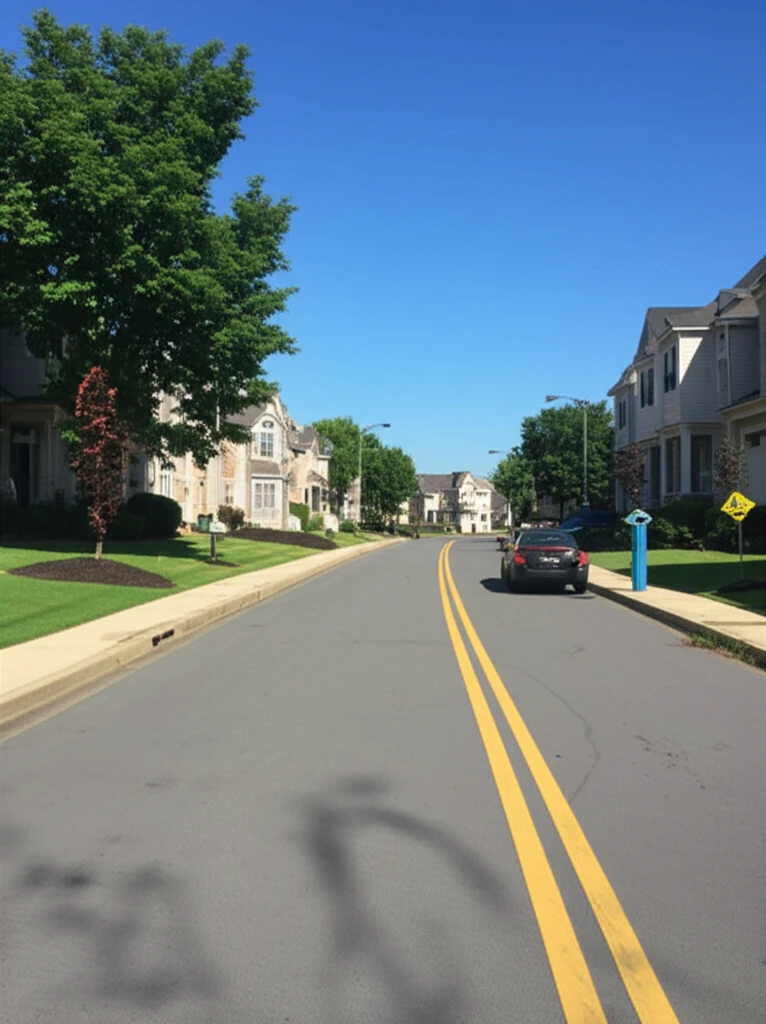
Seven Fields is popular with buyers looking for a practical middle path between high-traffic suburban hubs and more distant rural patterns. I have worked with everything from young professional couples buying their first home to empty nesters downsizing from a Franklin Park colonial, and Seven Fields consistently delivers something that is actually rare in the North Hills: genuine walkability, Butler County tax rates, and a community that feels socially connected rather than spread thin.
Why Does Walkability Matter So Much in Seven Fields?
Seven Fields Borough is one of the most walkable communities in Butler County — a category where walkability is not the norm. The community sits along Route 228 in a way that puts restaurants, a Giant Eagle, dry cleaning, banking, and casual dining within a genuine walking or short-driving distance from most residential sections. This is not the theoretical walkability of a neighborhood that has a sidewalk near a highway; this is the practical walkability of a borough where a Tuesday dinner out does not require planning.
For young professional couples and downsizers who came from more urban or walkable environments and are adjusting to suburban life, Seven Fields provides a genuine convenience density that most North Hills suburban communities simply do not offer. That daily routine convenience compounds over years of ownership into a quality-of-life advantage that shows up in the community's resale demand. Review the wider Seven Fields guide when planning route priorities and comparing walkability scores across the Butler County corridor.
What Are the Price Points and Home Types?
Seven Fields offers a genuine mix: townhomes, patio homes, and single-family detached homes, with prices running roughly $360,000 to $650,000. Townhome sections cluster in the $360,000–$480,000 range with HOA-maintained exteriors; single-family homes push to $550,000–$650,000+ depending on lot position, size, and update level.
HOA fees in most sections run $150–$300 per month, covering lawn care, snow removal, and common area maintenance. The structure is similar to Copper Creek in Cranberry Township, with the key difference being Seven Fields' Route 228 walkability advantage and its slightly more urban character. For buyers who want the HOA maintenance benefit without the full patio-home trade-down in square footage, Seven Fields single-family sections offer a middle ground that is worth seeing in person.
What Is the Butler County Tax Advantage from Seven Fields?
Seven Fields Borough sits in Butler County, which carries significantly lower property tax rates than Allegheny County at comparable assessed values. On a $450,000 home, the effective annual savings compared to a similar home in McCandless or Franklin Park can run $1,800–$3,200 per year. Combined with HOA-managed exterior maintenance, the total monthly ownership cost for a Seven Fields townhome or patio home often comes in below what buyers expect relative to comparable Allegheny County options.
For monthly carry planning, pair this with our tax comparison resources before finalizing your budget. The Butler County advantage is real but varies based on assessed value methodology, so running the numbers on a specific property is worth the effort before you write an offer.
What Is the Seneca Valley School District Like?
Seven Fields feeds into Seneca Valley School District, the largest public school district in Butler County by enrollment. Seneca Valley runs elementary buildings in Cranberry Township and the surrounding area, a dedicated intermediate school campus, and Seneca Valley Senior High School in Harmony. The district performs solidly on state assessments, maintains a reasonable AP course catalog, and fields strong athletic programs at the WPIAL Class 6A level — the largest enrollment classification.
For buyers who moved to the North Hills specifically for Pine-Richland or North Allegheny, Seneca Valley is a different conversation and typically not a substitute. For buyers who want a good suburban school district without the premium pricing that Pine-Richland and NA SD commands in their respective corridors, Seneca Valley delivers a legitimate outcome at a better cost structure.
What Is the Commute from Seven Fields?
Seven Fields' I-79 proximity is one of its strongest practical assets. The Cranberry corporate corridor along Route 228 — the Westinghouse campus, FedEx facilities, biotech parks — is 10–15 minutesfrom most Seven Fields sections. Downtown Pittsburgh runs 30–35 minutes south on I-79 under typical morning conditions. Pittsburgh International Airport is roughly 35–40 minutes via I-79 south and I-376 west — a manageable trip for frequent travelers, though not the shortest option in the corridor.
For buyers whose primary employment is in the Cranberry corporate cluster, Seven Fields' 10-15 minute commute is a legitimate advantage over communities further north in Butler County (Adams Township, Mars area) that require a similar or longer drive. The combination of Cranberry-adjacent access and Route 228 walkability is difficult to find elsewhere in the county at Seven Fields' price point.
How Does Seven Fields Compare to Cranberry Township and Mars/Adams?
Cranberry Township proper is Seven Fields' most direct comparison. Cranberry offers more traditional single-family home inventory with larger lots, the same Seneca Valley SD access, and similar Butler County tax structure. The key difference is that Cranberry is more spread out — it is a large township where “Cranberry” can mean very different things depending on which road you are on. Seven Fields' borough structure creates a more concentrated, walkable community identity that buyers either specifically want or find unnecessary. Tour both on the same day to feel the difference rather than reading about it.
Mars and Adams Township options like Adams Ridge and Autumn Grove offer a more rural residential character — quieter streets, slightly larger lots, but without Seven Fields' walkability to Route 228 retail. The commute to Cranberry's corporate core adds 5–10 minutes from the Mars area versus Seven Fields. For buyers whose daily pattern relies on the Cranberry corridor employment zone, Seven Fields' positioning saves meaningful weekly commute time.
Who Is the Right Buyer for Seven Fields?
I recommend Seven Fields most confidently to three buyer types:
- Young professional couple: First or second home, budget in the $380,000–$500,000 range, primary commute to the Cranberry corridor or hybrid schedule, wants walkability and social energy without Pittsburgh city prices.
- Move-up buyer from North Hills condo or townhome: Ready to own a home rather than rent, wants a manageable first SFH without jumping into a 0.75-acre yard commitment, values HOA-managed maintenance for the next few years.
- Downsizer from a larger Allegheny County home: Done with the Franklin Park or McCandless colonial and the associated maintenance. Wants Butler County taxes, walkable errands, and a patio or townhome format that reduces weekend overhead without sacrificing quality of life.
How Do You Shop Seven Fields Efficiently?
A practical touring strategy is to compare Seven Fields and nearby Cranberry-adjacent options on the same day. Side-by-side fieldwork helps clarify whether the walkability proposition and community character fit your actual lifestyle versus your aspirational one. Use the search gateway to keep both clusters in one alert workflow so you are seeing all relevant Butler County inventory simultaneously rather than managing separate searches.
What to Prepare Next
Use our Seven Fields neighborhood guide, browse active homes in Cranberry Township, and review relocation resources before scheduling showings.
- Walk Route 228 on a weekday at your actual daily routine hour — the walkability is real but confirming it in person matters.
- Track weekly route time from Seven Fields to your top two employment destinations.
- Compare HOA scope and fees across specific sections — they vary within the community.
- Calibrate pricing with at least two nearby alternatives: one Cranberry SFH and one Adams Township option.
- Confirm Seneca Valley elementary assignment for the specific address.
Neighborhood Fit Checklist
Pressure-test this option against your real weekly pattern: commute windows, school logistics, errands, and weekend rhythm. Then compare two nearby alternatives with the same checklist so your decision is based on long-term fit instead of launch-week inventory pressure.
Explore Seven Fields — Homes, Data, and Guides
| Resource | What You Get |
|---|---|
| Seven Fields Neighborhood Guide | Market data, school profile, and community overview |
| Cranberry Township Neighborhood Guide | The closest township alternative — school, tax, and lifestyle comparison |
| Cranberry Weekday Commute Window Guide | Specific I-79 peak-hour data for your daily commute planning |
| Karrington Woods Community Guide | Nearby Cranberry Township subdivision at a comparable price tier |
Execution Strategy for Active Buyers
Build a shortlist with objective criteria, confirm financing and inspection posture early, and compare two nearby alternatives before writing. This process keeps decisions disciplined and reduces reactionary offers. In Seven Fields, the townhome and patio sections at the entry price tier draw interest from a motivated first-time buyer pool that moves quickly — arriving prepared with pre-approved financing and a clear condition threshold is the practical edge.
Related Next Reads
Compare this area with the broader Seven Fields neighborhood guide and review the Copper Creek guide for the direct Cranberry Township patio-home alternative. For the Adams Township / Mars Area SD comparison in the same Butler County search radius, read the Adams Ridge guide before your next tour set.